




"I started meditating because everyone said it would make me feel calm. Instead, my mind became noisier. My thoughts wouldn't stop. I became more aware of my anxiety, my anger, and all the chaos inside me. It actually made me feel worse about myself."
Sound like you? Well, you're not alone.
I've heard different versions of this countless times from people who were convinced that meditation simply wasn't for them. But every time I hear it, I find myself thinking the same thing.
You may have stopped just as meditation was beginning to show you exactly what it was meant to show you.
One of the biggest misunderstandings about meditation is that it's a tool designed to make us feel good. Sometimes it does. Sometimes it doesn’t. Meditation isn't a "feel good" practice. It is a “knowing the mind” practice.
When we first begin meditating, we often expect peace. Instead, we discover restlessness. We expect silence. Instead, we hear endless thinking. We expect clarity. Instead, we meet confusion. It feels as though meditation has made the mind worse. In reality, something very different is happening. Imagine you've lived beside a busy road for years. The traffic has always been there. You've simply stopped noticing it. One day, someone asks you to sit quietly and pay attention. Suddenly, every passing vehicle becomes obvious. The road didn't become busier. Your awareness became sharper. Meditation works in much the same way. The thoughts were already there. The anxiety was already there. The constant mental commentary had been running long before you sat down to meditate. Meditation didn't create the chaos. It revealed it. That can be uncomfortable. Sometimes deeply uncomfortable. Because for the first time, we're meeting a mind we've spent years avoiding through work, entertainment, conversations, social media, and endless activity. Now there is nowhere to run. Only an invitation to observe.
At first, we make another mistake. We believe the chaos is who we are.
"I am anxious.” "I am angry.” "I am a mess."
But mindfulness gently points towards something different. You are not your thoughts. You are not your anger. You are not your fear. You are experiencing them. That distinction may seem small, but it changes everything. Thoughts arise. Emotions arise. They stay for a while. Then they change. Calm comes. Calm goes. Joy comes. Joy goes. Frustration comes. Frustration goes. The experience keeps changing. The awareness noticing it all remains. This doesn't happen overnight.
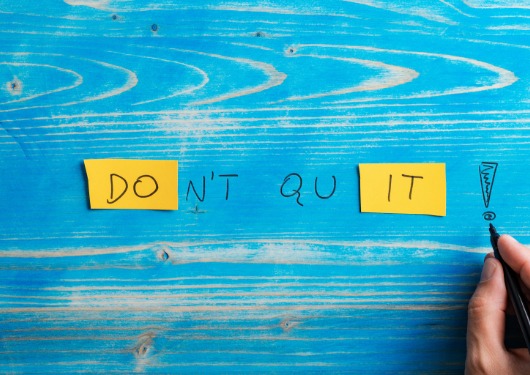
In the beginning, the mind can feel overwhelming. You may sit down to meditate and wonder whether you're doing it completely wrong. Ironically, becoming aware of your distraction is often a sign that awareness is growing. You are beginning to notice what was previously happening on autopilot. That is not failure. That is the practice. Over time, the chaos doesn't necessarily disappear. Your relationship with it changes. You stop fighting every thought. You stop believing every story your mind tells you. You stop needing every uncomfortable emotion to leave immediately. Instead, you begin sitting with your mind the way you would sit with a dear friend who is having a difficult day. You don't argue with them. You don't tell them to stop feeling what they're feeling. You simply remain present. Gradually, you learn to offer that same presence to yourself. The mind may still be busy. But you are no longer being pulled in every direction by it. That is where freedom begins.
If you've stopped meditating because it made you aware of how restless your mind is, perhaps consider this possibility. Maybe the practice wasn't failing. Maybe it was simply showing you where the journey truly begins. Meditation isn't about creating a perfect mind. It is about learning to know the one you already have. And that journey often begins, not with peace, but with the honest recognition of chaos. Don't mistake that recognition for failure. It may be the first real step towards understanding yourself.


-converted.webp)